This is a sample guest message. Register a free account today to become a member! Once signed in, you'll be able to participate on this site by adding your own topics and posts, as well as connect with other members through your own private inbox!
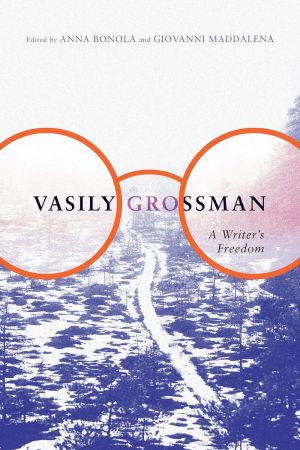
English | 184 pages | McGill-Queen's University Press; First Edition (August 21, 2018) | 0773554475 | PDF | 15.87 Mb
Vasily Grossman (1905?1964) was a successful Soviet author and journalist, but he is more often recognized in the West as Russian literature's leading dissident. How do we account for this paradox? In the first collection of essays to explore the Russian author's life and works in English, leading experts present recent multidisciplinary research on Grossman's experiences, his place in the history of Russian literature, key themes in his writing, and the wider implications of his life and work in the realms of philosophy and politics. Born into a Jewish family in Berdychiv, Grossman was initially a supporter of the ideals of the Russian Revolution and the new Soviet state. During the Second World War, he worked as a correspondent for the Red Army newspaper and was the first journalist to write about the Nazi extermination camps. As a witness to the daily violence of the Soviet regime, Grossman became more and more aware of the nature and forms of totalitarian coercion, which gradually alienated him from the Soviet regime and earned him a reputation for dissidence. A survey of the remarkable accomplishments and legacy left by this controversial and contradictory figure, Vasily Grossman reveals a writer's power to express freedom even under totalitarianism.
Did you know that you can become an editor and share content? You must send message to
Prohibitive. Get free editor membership now.
This site uses cookies to help personalise content, tailor your experience and to keep you logged in if you register.
By continuing to use this site, you are consenting to our use of cookies.